From Hot Sauce to Crispy Skin: 5 American Ingredients That Are Quietly Winning Over Traditional Sushi Chefs
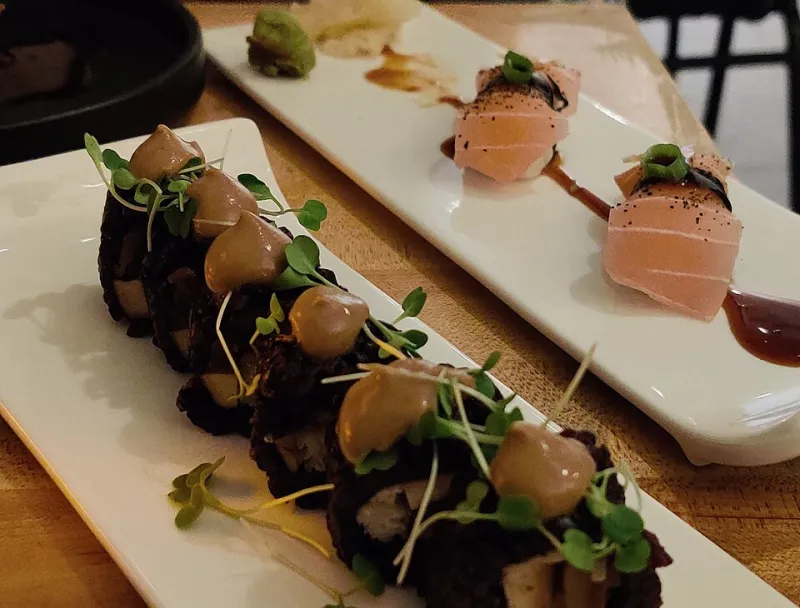
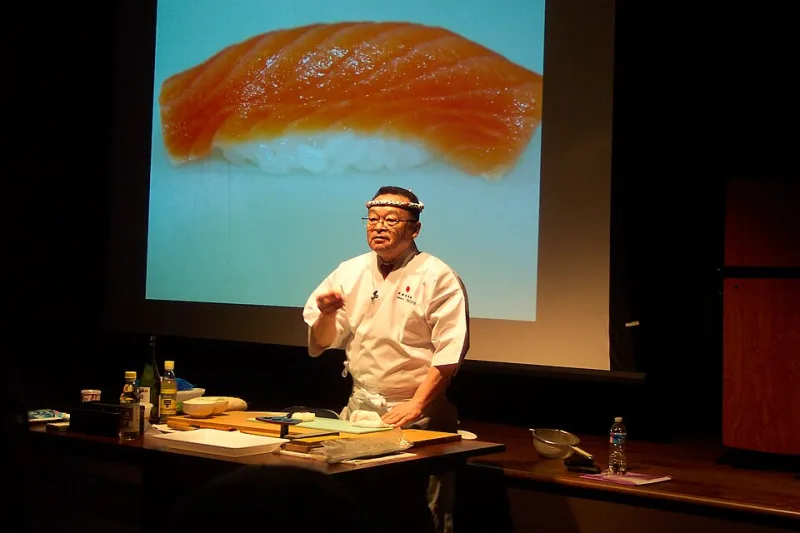
Photo: Qzekrom, CC BY 4.0, via Wikimedia Commons
Let's be honest: the first time someone put spicy mayo on a sushi roll, a traditionalist somewhere in Tokyo probably winced.
And honestly? Fair enough. Sushi has a 200-year history built on restraint, precision, and an almost meditative respect for ingredients. The idea of squeezing Kewpie mayo spiked with hot sauce over a piece of fish would have seemed, to many traditionalists, like putting ketchup on a fine steak.
But something interesting has happened over the past two decades. The American approach to sushi — louder, bolder, less reverent, and frankly kind of fun — has started earning genuine respect from some unexpected corners of the culinary world, including Japan itself. Chefs who trained for years under strict traditional masters are now quietly incorporating American-born techniques and ingredients into their own work. Food journalists in Tokyo are writing about the California roll without irony. And fusion sushi restaurants across the US are packed on Friday nights.
So what's actually making the crossover? Here are five ingredients that started as American innovations and are now part of a much bigger global conversation.
1. Sriracha Mayo: The Condiment That Launched a Thousand Menus
If you've eaten at any sushi restaurant in America in the last fifteen years, you've met sriracha mayo. It's everywhere — drizzled over spicy tuna rolls, piped decoratively across specialty rolls, used as a dipping sauce, mixed into poke bowls. It's practically its own food group at this point.
The combination sounds simple: sriracha hot sauce blended with Japanese Kewpie mayonnaise (which is richer and tangier than standard American mayo thanks to its use of egg yolks and rice vinegar). But the result is something genuinely complex — creamy, spicy, slightly sweet, with a fermented depth that plays beautifully against the mild umami of fresh fish.
Here's what's interesting from a traditional perspective: Japanese cuisine already understood the power of fermented heat. Wasabi, obviously, but also yuzu kosho (a fermented citrus and chili paste) and karashi mustard. Sriracha mayo isn't a departure from Japanese flavor logic — it's an American riff on an existing theme. And that's why it works so well. It feels familiar even when it's new.
Some contemporary Japanese chefs have started experimenting with similar condiment hybrids, swapping in togarashi-spiked aioli or yuzu mayo in ways that clearly borrow from the American sriracha playbook. Imitation, as they say, is the sincerest form of flattery.
2. Miso Butter: A Fermented Fat That Changes Everything
If sriracha mayo is the crowd-pleaser, miso butter is the ingredient that makes food people stop mid-bite and ask the server what's in it.
Miso butter is exactly what it sounds like — white or red miso paste blended into softened butter — and it has become a quiet staple in fusion sushi kitchens across the country. A small pat melted over seared scallop nigiri, a smear beneath a piece of torched salmon, a compound butter finish on a warm lobster roll: the applications are almost endless.
What makes it so compelling is that it bridges two culinary worlds in a single ingredient. Miso is one of Japan's oldest fermented foods, loaded with umami and a complex, slightly funky depth. Butter is Western, rich, fat-forward, and deeply familiar to American palates. Together they create something that feels both exotic and comforting — a combination that's basically the entire mission statement of American fusion cuisine.
The fermentation factor is also catching attention in Japan, where interest in umami amplification techniques has been growing steadily. Miso butter isn't just a flavor novelty; it's a genuinely useful culinary tool that enhances the savory qualities of almost anything it touches.
3. Crispy Chicken Skin: The Textural Wildcard
Okay, this one requires a little explaining.
Chicken skin — rendered until it's completely crispy, almost chip-like — has been making appearances in creative sushi contexts for a few years now, and the reaction is usually split between that's weird and I need twelve more of those. As a topping on a roll or a garnish on a composed nigiri plate, it adds an unexpected crunch and a deeply savory, fatty richness that plays surprisingly well against clean fish flavors.
From a textural standpoint, it makes a lot of sense. Traditional sushi has always valued textural contrast — the slight give of fresh fish against the compact chew of rice, the snap of a cucumber ribbon against the creaminess of avocado. Crispy chicken skin is just a more aggressive version of that same instinct.
What's interesting culturally is that Japan has its own deep tradition of using every part of an animal — yakitori culture, for instance, celebrates chicken skin (kawa) as a prized skewer option. So while crispy chicken skin on sushi might look like an American stunt, it's actually drawing from a Japanese sensibility that American chefs have adopted and recontextualized. That kind of cross-cultural remix is becoming increasingly common, and it's exactly the kind of thing that makes food historians excited.
4. Cream Cheese: The Ingredient Everyone Apologizes For (But Keeps Ordering)
Cream cheese in sushi is deeply, unapologetically American. It traces back to the Philadelphia roll — a creation that traditional purists have been side-eyeing for decades — and it remains one of the most polarizing ingredients in the fusion canon.
And yet. People love it. The Philadelphia roll is one of the most ordered sushi rolls in the United States. Cream cheese adds a tangy, rich creaminess that softens the intensity of smoked salmon and creates a texture that's genuinely satisfying in a different way than raw fish. It's indulgent in a way that traditional sushi deliberately avoids — and that indulgence is a significant part of its appeal to American diners.
The interesting development in recent years is that some Japanese chefs, particularly those working in Western-influenced restaurants in Tokyo and Osaka, have started experimenting with cream cheese analogs — fromage blanc, crème fraîche, even housemade cultured dairy products — in ways that nod to the American innovation while refining it through a Japanese lens. It's a grudging acknowledgment that the American instinct, however unorthodox, identified something real about what eaters want.
5. Tempura Crunch (and the Rise of Textural Toppings)
Tempura itself is Japanese — a technique introduced to Japan by Portuguese missionaries in the 16th century that became deeply embedded in the culinary culture. But the American fusion move of using tempura crumbs (panko-fried bits of batter, sometimes called tenkasu) as a topping on cold rolls is distinctly a product of the US sushi scene.
It sounds almost too simple to be interesting. But those little fried bits do something remarkable: they add a sustained crunch that holds up longer than you'd expect, they absorb just enough sauce to carry flavor without going completely soggy, and they give every bite a satisfying textural dimension that plain rice simply can't provide.
This has opened the door to a broader American obsession with textural toppings on sushi — fried shallots, toasted sesame, crispy quinoa, puffed rice. The instinct is American (we like crunch; we like toppings; we like things that feel substantial), but the underlying technique is Japanese. And the result has been a whole vocabulary of textural finishing elements that contemporary sushi chefs on both sides of the Pacific are now treating as legitimate tools.
Why This Matters Beyond the Menu
The story of these five ingredients isn't really about condiments and toppings. It's about what happens when a cuisine travels, takes root in a new culture, and comes back changed — and how the culture it came from responds to seeing itself reflected in a new form.
Japanese sushi masters who are engaging seriously with American fusion aren't abandoning their traditions. They're curious. They're asking the same questions that drive the menu at places like Muse Fusion Sushi: What happens when you take something you know deeply and let it be touched by something unfamiliar? Sometimes the answer is a mess. But sometimes — when the curiosity is genuine and the technique is solid — the answer is something that didn't exist before and couldn't have existed any other way.
That's not appropriation. That's how food has always moved through the world. And right now, it's moving in some pretty delicious directions.