Same Restaurant, Different Sushi: The Invisible Forces Changing Every Plate
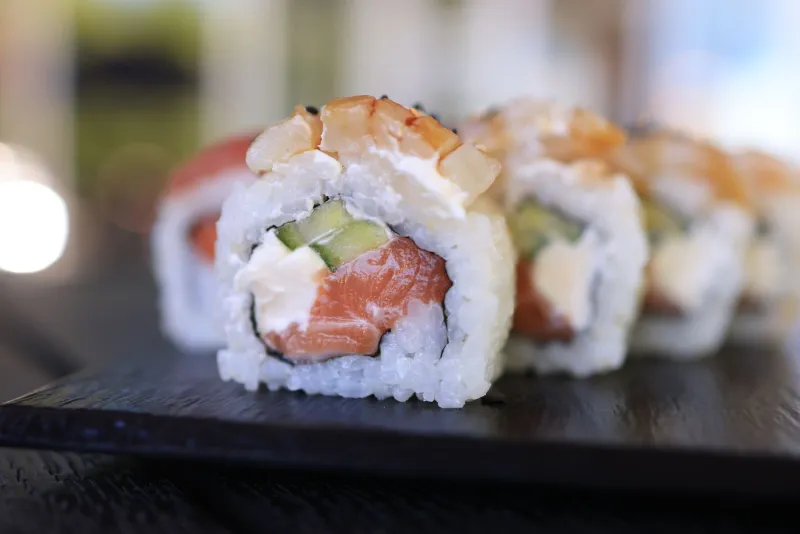
You've recommended this place to everyone you know. The salmon is silky. The rice has that perfect slight warmth. The whole experience feels dialed in. Then you go back three weeks later and something's just... off. Not bad, exactly. Just different. Flatter, maybe. Less alive.
You wonder if your memory is playing tricks. It isn't. The sushi genuinely changed — and the reasons why are stranger and more fascinating than you'd expect.
The Myth of Consistency
When we talk about a "consistent" restaurant, we usually mean the food tastes the same every time. That's a reasonable standard for a burger chain or a pasta place. For sushi, it's almost a category error.
Sushi is one of the most environmentally sensitive foods on the planet. The core ingredients — fish, rice, vinegar, water — each carry enormous variability depending on season, source, storage conditions, and handling. Asking a sushi chef to produce identical results across every service is a little like asking a farmer to grow the same tomato in January and July. The inputs are different. The outputs will be too.
The chefs who understand this don't chase perfect consistency. They chase perfect responsiveness — adjusting technique, seasoning, and selection to work with what they have on a given day rather than against it.
Water: The Ingredient Nobody Talks About
Rice is the foundation of sushi, and rice is mostly water. Not just the water it's cooked in — the mineral content, pH level, and softness of the water directly affects how the starch behaves, how the grains absorb vinegar, and ultimately how the rice holds together and feels in your mouth.
This is why some sushi chefs in the US are obsessive about their water source. Tokyo's water is famously soft, which produces rice with a specific texture that's notoriously difficult to replicate elsewhere. Some restaurants filter their water to a particular mineral profile. Others have experimented with sourcing water from specific regions.
When a city changes its municipal water treatment — or when a restaurant switches suppliers — the rice changes. Subtly, maybe. But perceptibly, if you're paying attention.
Fish That Moves With the Calendar
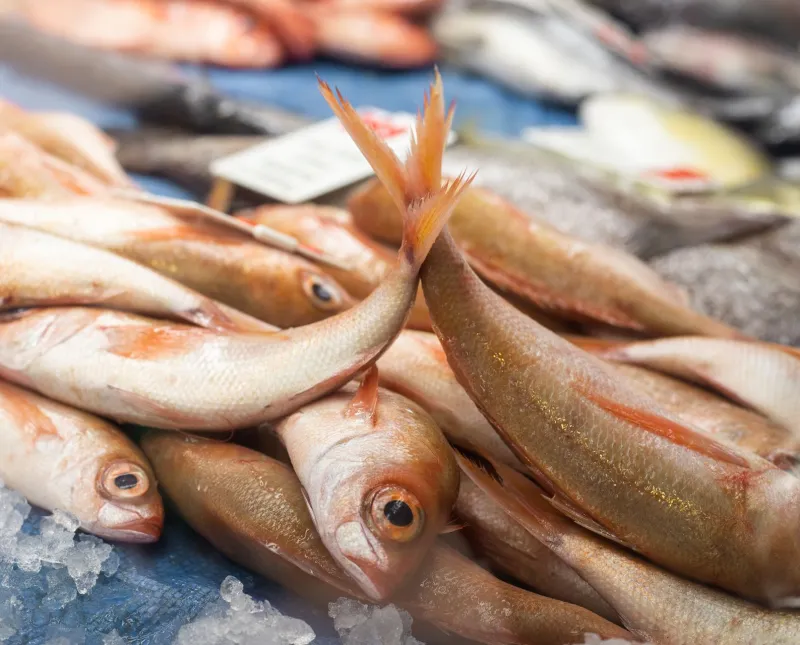
Seasonality in sushi isn't just a marketing concept. Fish taste genuinely different at different times of year because their fat content, diet, and water temperature all shift with the seasons. A piece of yellowtail in winter, when the fish has been building fat reserves in cold Pacific water, tastes fundamentally different from summer yellowtail. Richer. Rounder. More of everything.
The same is true for salmon, tuna, and nearly every other species on a typical American sushi menu. The fish you loved in October might not be at the same peak in March — not because the restaurant is sourcing worse fish, but because the fish itself is in a different biological moment.
If you've ever noticed that your sushi spot seems to hit harder in certain months, this is probably why. You're tasting the calendar.
The Humidity Variable (Yes, Really)
This one surprises people. Humidity affects nori — the dried seaweed sheets used in most rolls — more dramatically than almost any other ingredient. On a humid summer day in a restaurant without ideal climate control, nori absorbs moisture from the air and loses its crisp, clean snap. The texture softens. The flavor flattens slightly. The whole structural experience of a roll changes.
High-end sushi restaurants store nori in temperature-controlled environments precisely for this reason. But even then, the moment the roll is assembled and exposed to air, the clock starts. Which is part of why truly great sushi is meant to be eaten immediately — not photographed, not saved for later.
What the Chef Brings to the Table
This is the most human variable, and in some ways the most interesting. A sushi chef's physical and mental state genuinely affects the food. Not in a mystical way — in a practical one. The pressure applied when forming nigiri affects texture and density. The speed of knife work affects the surface of the fish. The precision of seasoning adjusts based on how focused the chef is.
Experienced chefs develop muscle memory that compensates for this over time. But even the best will tell you that some services feel sharper than others. Some days the hands are more confident. Some days the intuition for seasoning is more calibrated. The food reflects this.
How to Order Strategically
Knowing all this, you can actually become a smarter sushi diner. Here's how:
Ask what's best today, not what's always good. The chef's answer to "what came in fresh this morning?" is more useful than any menu recommendation. Live intelligence beats static menus.
Follow the season, not your habit. If you always order salmon, try asking when salmon is at its peak at this particular restaurant. Some spots are more honest about this than others, but the good ones will tell you.
Visit during service peaks, not slow nights. Counterintuitively, a busy service often produces better sushi. The fish turns over faster, the rice is fresher, and the chef is in a rhythm. A Tuesday at 5:30 PM might catch yesterday's prep and a distracted kitchen.
Lean into the inconsistency. The sushi that surprises you — the piece that's somehow better than you remembered — is a gift. It means the restaurant is working with real ingredients in real time. That's not a flaw. That's the whole point.
Consistency is overrated. What you actually want from a great sushi spot isn't sameness — it's honesty. The best places serve you what's real, not what's reliable. And on the right day, that's an entirely different kind of meal.