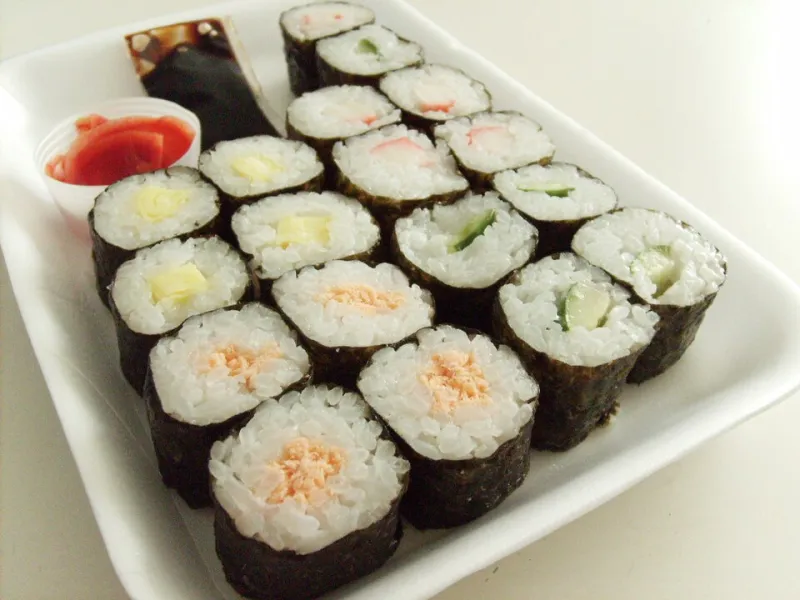
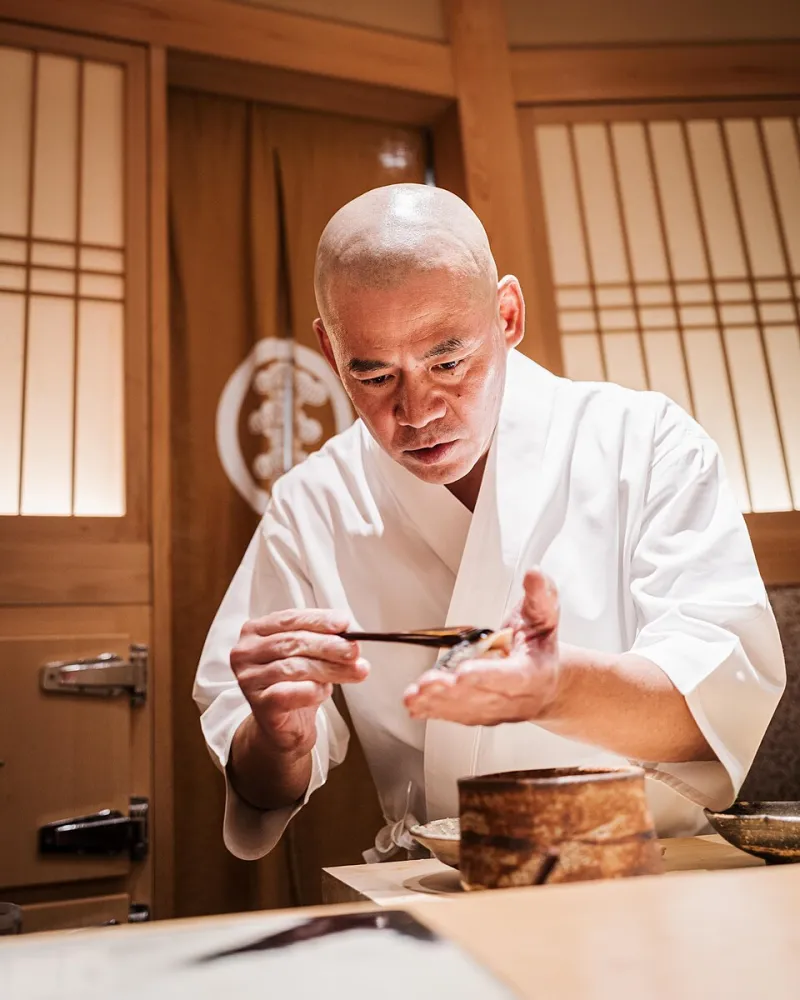
Turn It Up (or Down): The Surprising Way Sound Is Secretly Seasoning Your Sushi
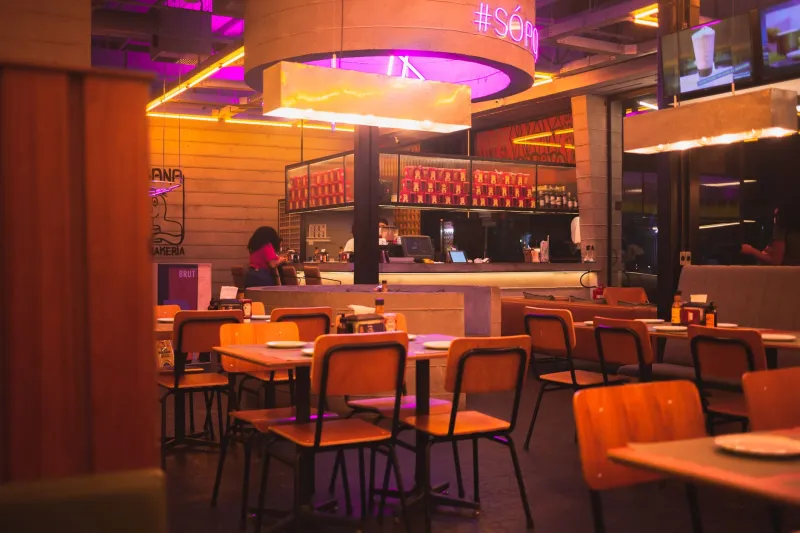
You've probably noticed it without ever putting words to it. The sushi bar with the moody lo-fi beats just feels different from the one blasting Top 40. The food seems to hit differently. The fish tastes cleaner, or richer, or somehow more interesting. You chalked it up to atmosphere — maybe the lighting, maybe the crowd, maybe just a good night.
Here's the thing: it wasn't just the vibe. The sound was literally changing what your tongue was doing.
Welcome to the weird, fascinating overlap between neuroscience and your omakase order.
Your Brain Doesn't Separate the Senses (Even When You Think It Does)
For a long time, we treated taste as its own isolated system — something that happened strictly between your mouth and your brain. Turns out that's not even close to accurate. Sensory perception is deeply cross-modal, meaning your brain is constantly pulling information from multiple channels at once and blending them into a single experience.
Sound is one of the biggest contributors to that blend.
Researchers at Oxford, led by experimental psychologist Charles Spence, have spent years documenting what they call "sonic seasoning" — the measurable way that different sounds alter how we perceive sweetness, bitterness, umami, and texture. In one well-known experiment, participants eating toffee while listening to high-pitched tones rated the flavor as noticeably sweeter and more delicate. The same toffee eaten to low, brassy sounds tasted more bitter and dense. Same food. Completely different experience.
Now think about what that means when you're sitting in front of a plate of nigiri.
High Notes, Low Notes, and the Flavor Frequencies of Sushi
Sushi is a cuisine built on subtlety. The clean, almost mineral brightness of fresh bluefin. The gentle sweetness of uni. The savory, lingering depth of a soy-glazed eel. These flavors exist in a narrow, nuanced range — and that makes them especially vulnerable to sonic influence.
High-frequency sounds (think delicate piano, soft electronic tones, or even ambient treble-heavy room noise) tend to amplify sweetness and brightness. That's actually great news for lighter sushi applications — white fish, scallop, lightly seasoned rice, citrus-forward sauces. A restaurant leaning into airy, high-register music is unconsciously (or very consciously) setting you up to taste those notes more vividly.
Low-frequency sounds do the opposite. They push your palate toward bitterness and umami depth. Bass-heavy music, the low rumble of a crowded dining room, even the ambient drone of HVAC systems — all of it nudges your perception toward heavier, earthier flavors. For richer rolls, fatty tuna, miso-based preparations, or anything with a bold, fermented component, that low-end sonic texture can actually make the dish feel more satisfying and complex.
This isn't guesswork. It's measurable, reproducible, and increasingly being used by chefs and restaurant designers who take the full sensory experience seriously.
Why Tempo Matters More Than Genre
Beyond pitch and frequency, the pace of music does something interesting to how we eat — and how we taste.
Faster tempos accelerate eating speed. That's been documented across dozens of dining studies. When the beat is up, people chew faster, take bigger bites, and move through a meal more quickly. In a sushi context, that's a problem. Sushi is meant to be experienced in individual, deliberate bites. The rice, the fish, the wasabi, the texture of the nori — they're designed to come together in a specific sequence that takes a few seconds to fully unfold.
Rush that, and you're leaving flavor on the table. Literally.
Slower tempos encourage lingering. People take smaller bites, pause more between pieces, and — critically — actually taste what they're eating rather than just consuming it. If you've ever noticed that a quieter, more relaxed sushi bar felt like the food tasted better, this is a big part of why. The music was slowing you down enough to actually catch the flavors.
The best sushi restaurants in the US are increasingly paying attention to this. A well-paced soundtrack isn't just hospitality polish — it's a functional part of the culinary experience.
The Silence Question
So should you eat sushi in total silence for maximum flavor clarity? Not necessarily.
Complete silence creates its own kind of cognitive noise. Without ambient sound, diners tend to become hyperaware of their own chewing, the sounds of the restaurant, social awkwardness. That self-consciousness actually distracts from flavor perception rather than enhancing it. A little ambient sound — whether music or the gentle hum of a well-designed dining room — keeps your conscious attention occupied just enough to let your sensory processing run in the background.
Think of it like a white noise machine for your palate.
Bringing This Home: Practical Sound Tips for Your Next Sushi Night
If you're doing a sushi night at home — whether you're ordering in from a spot like Muse Fusion Sushi or making your own rolls — the sonic environment is entirely in your hands. Here's how to use that.
For lighter, more delicate sushi (white fish, cucumber rolls, lightly seasoned pieces): Try jazz with a lot of piano, acoustic folk, or ambient electronic with a bright, airy texture. You want that high-frequency sweetness amplification working for you.
For richer, bolder flavors (spicy tuna, eel, anything with miso or heavy umami): Go lower and warmer. Classic soul, slow hip-hop, or even film score music with a lot of strings and bass will deepen those savory notes.
Keep the tempo moderate. This isn't a dance party. You want 70-90 BPM roughly — something that keeps the energy pleasant without rushing you through each bite.
Volume matters. Loud music — regardless of genre — has been shown to dull taste sensitivity overall. Keep it at conversation level. The food should be louder than the speakers.
Try a contrast experiment. Eat one piece of the same roll in silence, then one while playing something high-pitched and bright, then one with something low and slow. Pay attention. You'll taste the difference.
The Restaurant Isn't Just Feeding You — It's Composing an Experience
The next time you sit down at a sushi bar and feel like everything just clicks — the fish is perfect, the rice is exactly right, the whole meal feels elevated — take a second to listen to the room. There's a good chance someone made very deliberate choices about what you're hearing.
Modern sushi, especially the kind that blends Japanese tradition with bold American creativity, is already playing with every possible flavor variable: ingredient sourcing, sauce chemistry, plating psychology, temperature timing. Sound is just the next frontier — and the smart restaurants are already there.
Your ears, it turns out, have been eating all along.